Average Cost For Full Mouth Dental Implants . Published july 9, 2021 | updated may 17, 2022. There are, of course, more affordable ways to do it. How Much Do Dental Crowns Usually Cost? Los Angeles Dental Crown from www.holisticsmilecare.com The total cost of a full mouth dental implant operation can range from $7,000 to $68,000. However, a single implant, including post and crown, costs £3,500 (on average). The average price lies somewhere between $2,000 and $5,000.
Average Lead Time In Kanban System. Lead time in kanban is the time you need to deliver the service / to fulfil the request. Demand per unit of time.
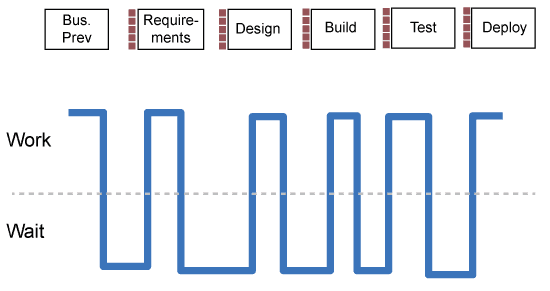
Advanced Topic Applied Enterprise Workflow with the SAFe Portfolio from www.scaledagileframework.com
It says that the average number of cards in a stable system is dependent only on the average rate at which work items arrive and the average time a work item is in the system. To measure lead time and cycle time, you may use a cfd diagram (cumulative flow), one of the most advanced data sources for your workflow. Measure the lead time for at least three items and calculate the statistical mean of the items.
The Time Measured From The Moment The Customer Placed The Request To The Moment It Was Delivered.
The amount of time between selecting an item to work on and delivering it to the customer. D = average demand per hour. The lead time in kanban is the period between when a request is placed and when a task is completed.
How Do You Measure Cycle Time In Kanban?
What is a lead time? Lead time/ cycle time trends: By pawel brodzinski on may 6, 2010.
They Show You How Long Does It Take For.
By default, the standard calculation is: N = (dl + s)/c. To accommodate two aspects of a forecast in a kanban system.
D Is The Average Daily Demand;
Sukatin ang lead time para sa hindi bababa sa tatlong mga item at kalkulahin ang istatistikal na mean ng mga item 3. Lead times come in various forms, with the average lead time being just one metric that can be measured and tracked on an agile team’s kanban board or software tool. Number of kanban = dt (1+x)/c.
It Will Demonstrate The Average Cycle Time And Lead Time, As Well As The Number Of.
In safe, teams apply kanban within the development. N = number of kanban; The lead time is the time from the moment when the request was made by a client and placed on a board to when all work on this item is completed and the request was delivered to the client.


Comments
Post a Comment